To learn more about Program 178: Resource Planning for Electric Power Systems, visit the program site or reach out to Principal Team Lead, Robin Bedilion.
cutting-edge climate change and decarbonization research.
Research Highlights
Zero by 40 Technoeconomic Assessment for NYSERDA
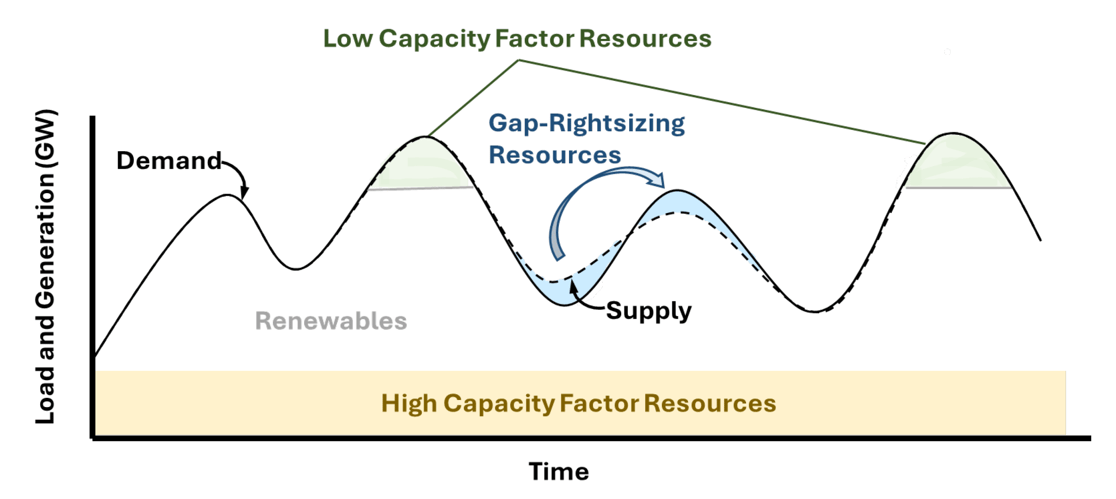
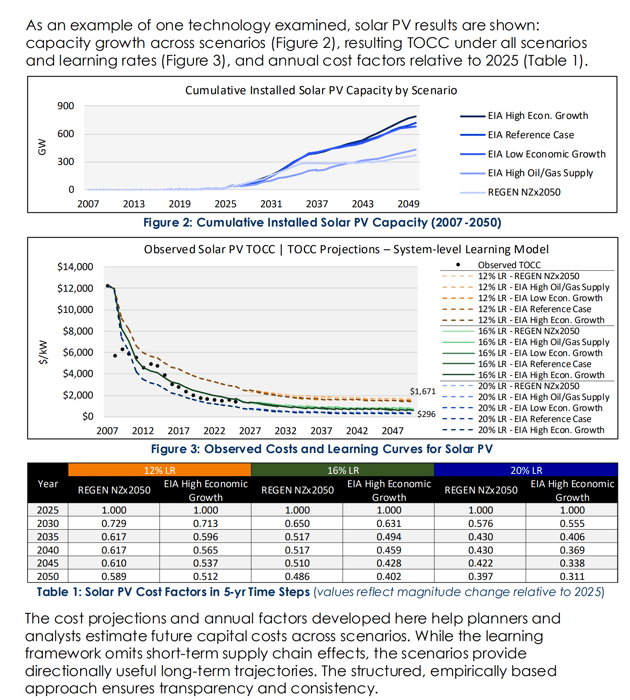
In May 2023, the New York State Public Service Commission issued an order initiating a process “to identify technologies that can close the gap between the capabilities of existing renewable energy technologies and future system reliability needs, and more broadly identify the actions needed to pursue attainment of [New York State’s] Zero Emission by 2040 target.” ESCA researchers supported this effort over a two-year project with the New York State Energy Research & Development Authority (NYSERDA), culminating in this comprehensive report, which evaluates seven candidate dispatchable emissions free resource (DEFR) technology categories that could provide clean, firm power to the New York State grid to achieve a zero-emissions power sector.
Charting the Course: Practical Considerations and Project Delivery Timelines for Energy Technologies
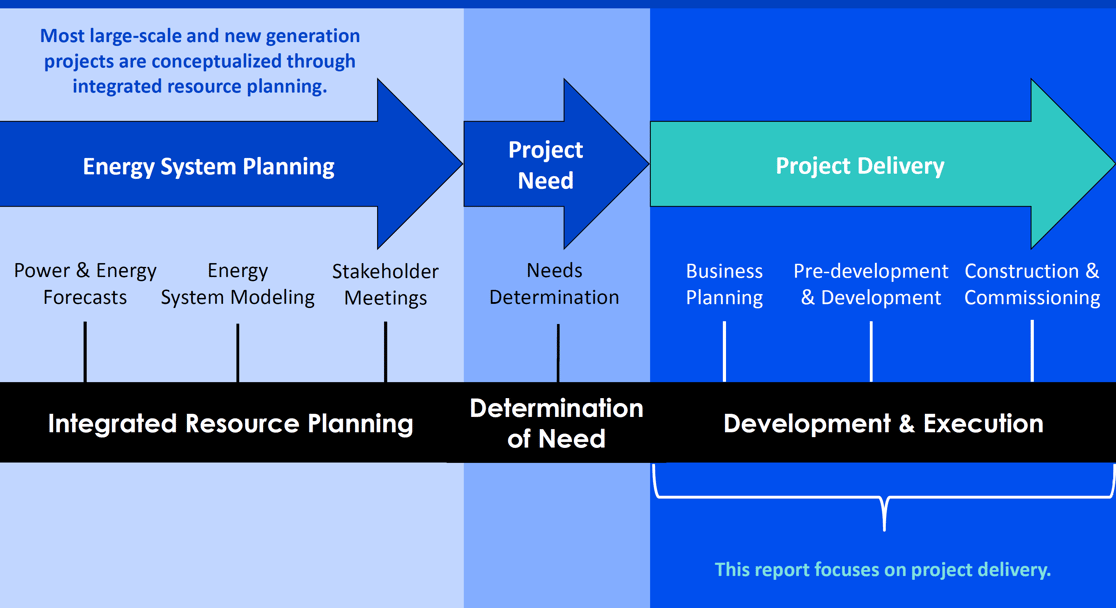
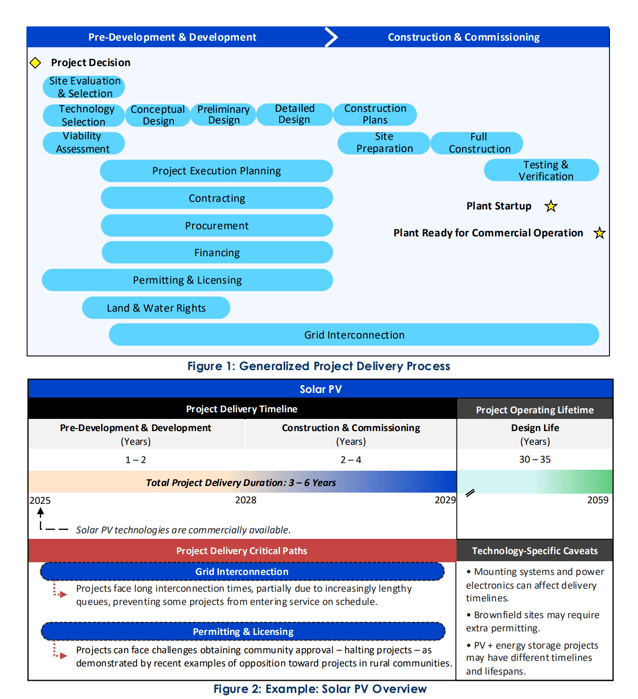
A successful energy transition depends on the ability of electric companies to align resource planning, technology selection, engineering, project delivery, and ultimately, operations. This report provides an overview of the project delivery process for power generation and energy storage systems and selected enabling infrastructure (e.g., electric transmission). It identifies critical path elements and presents notional lead times for more than 20 technologies to support more informed planning and integrated technology deployment—both essential for meeting corporate objectives while supporting customer needs and broader societal goals in an evolving energy system.
A Review of Power Procurement Mechanisms for Electric Companies and Corporate Buyers: Core Concepts, Contract Structures, and Trends
Electric companies and large consumers are increasingly seeking tailored approaches to power procurement that align with their distinct objectives and responsibilities. This report investigates the different kinds of Power Supply Agreements (PSAs) used to facilitate power sourcing between large buyers, utilities, wholesale markets, and power producers, providing a foundational understanding of PSAs, equipping electric sector stakeholders with the knowledge needed to navigate evolving procurement mechanisms, mitigate risks, and align energy decisions with business and sustainability goals. As procurement structures continue to evolve, this knowledge can serve as a living reference, adaptable to changing market dynamics and policy developments.
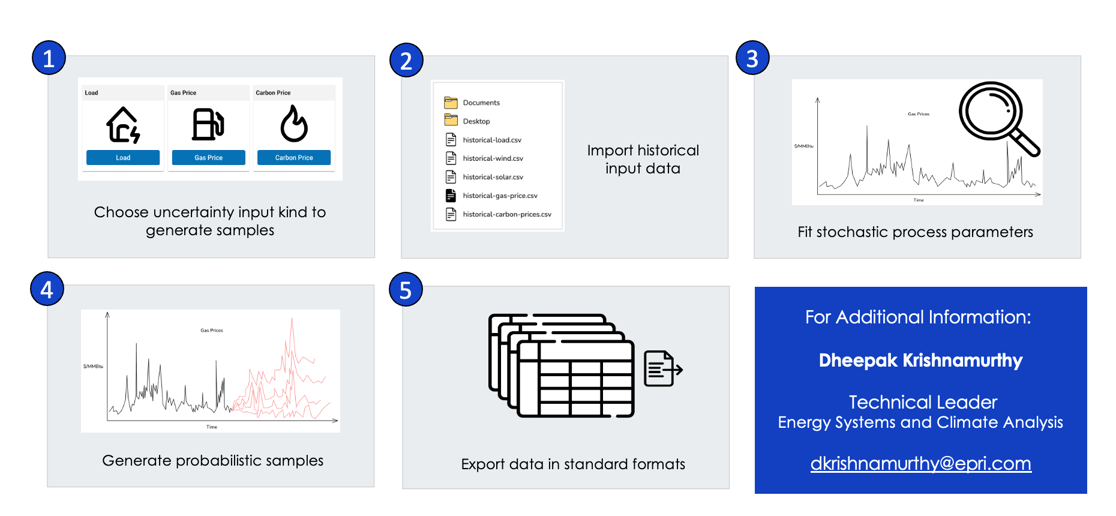
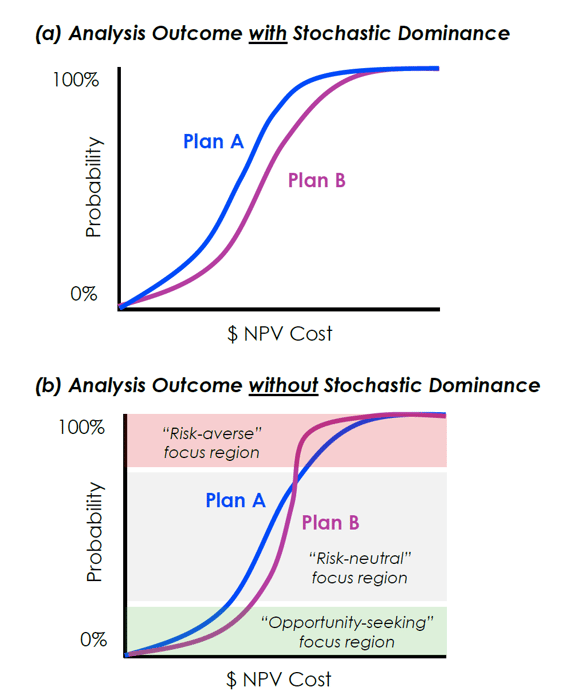
Earlier this year, we released SPI-Tool, (pronounced ”spy-tool”), a desktop application for electric system resource planners to analyze and characterize the uncertainty in resource planning inputs. We held a series of webcasts about the tool and used it in a demonstration study to generate stochastic samples of future loads, natural gas prices, and carbon prices which were then used in a stylized resource planning modeling exercise.
As planned on our roadmap for SPI-Tool, we are delighted to share that it is now available as an open-source application on GitHub: https://github.com/epri-dev/SPI-Tool/. This step reflects our commitment to transparency, collaboration, and technology transfer. You can now see how the tool works, utilize it in a flexible manner, adapt it to suit your specific needs, or integrate or reimplement in other open-source or commercial tools.
SPI-Tool will continue to be applied and developed at EPRI, and enhancements from the open-source community will allow us to improve the analytical features of the tool and enhance the exploration of cutting edge questions in resource planning. We hope the impact of this tool will expand with open-sourcing, and look forward to sharing additional updates soon.
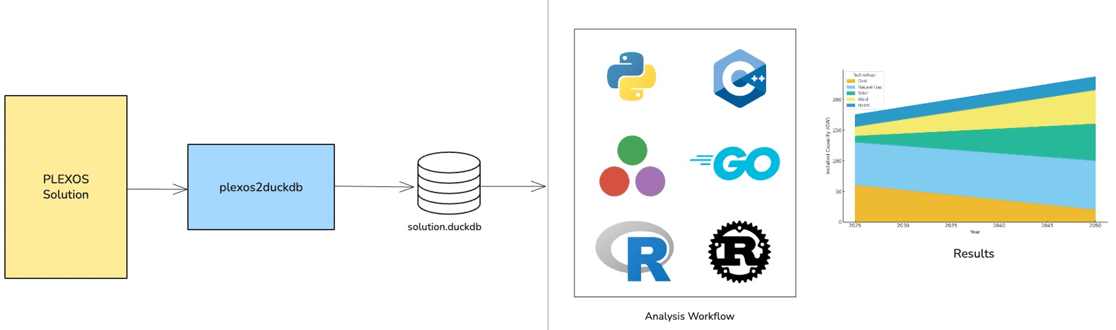
We are pleased to announce the release of a new tool called plexos2duckdb v0.1.0-beta, an open-source command line software tool that extracts results from PLEXOS solution files into SQL oriented DuckDB databases. Using plexos2duckdb, you can build workflows to query your data with standard SQL and run analyses across large batches of studies with ease.
plexos2duckdb is available on GitHub and is distributed as pre-compiled binaries that can be installed on Windows, MacOS and Linux allowing automation workflows to be built in popular programming languages. Using this tool can make large-scale planning studies more manageable by lowering the friction for advanced workflows and offering broader data analysis capabilities. We look forward to sharing more updates from the ongoing development of this tool at EPRI to enable more flexible and high-performance workflows for power system analysis.